Winning Decisions Begin With Poker Language
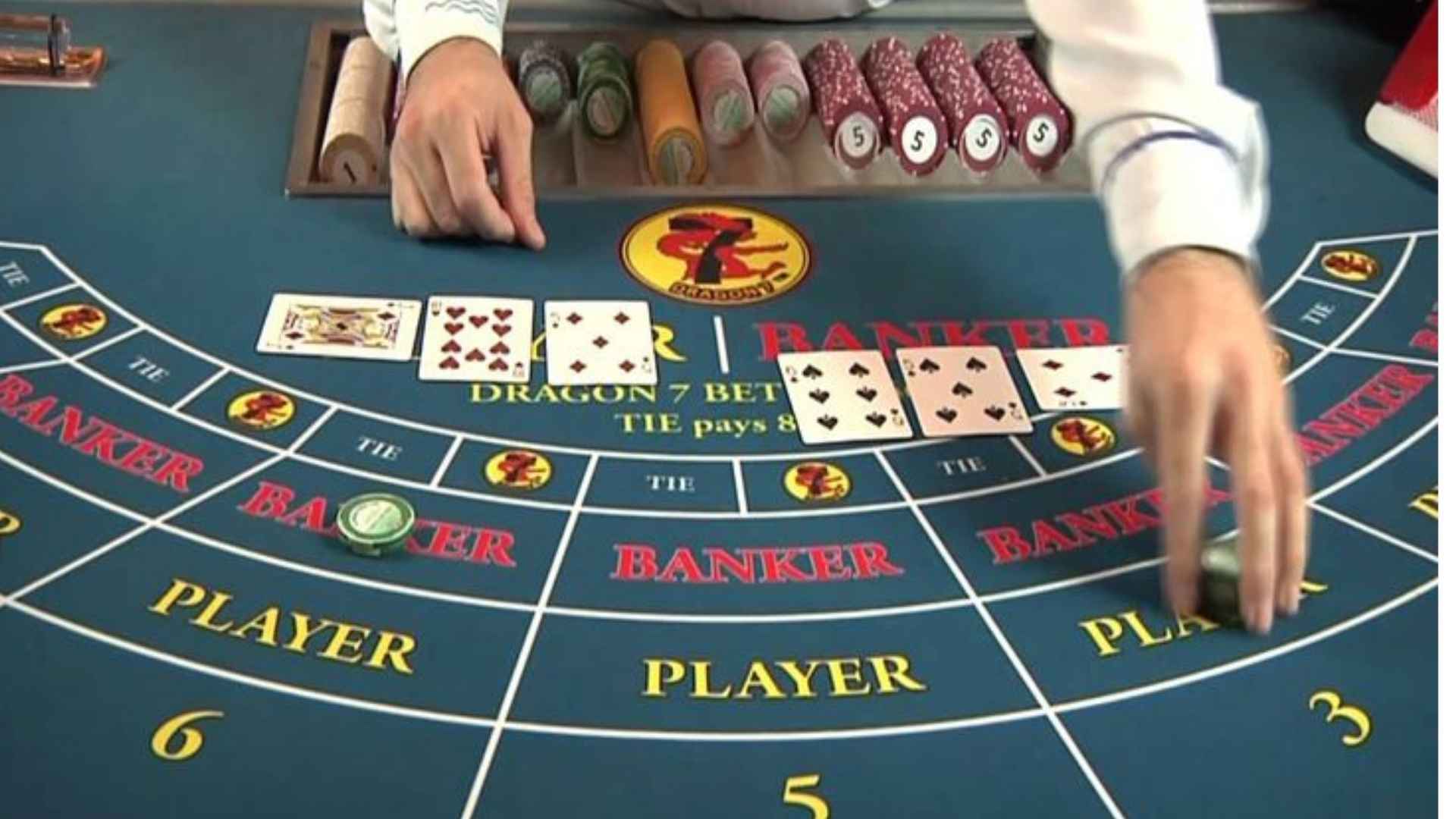
Stepping up to a card table involves much more than simply tracking the value of your cards or relying on basic luck. To truly navigate the complexities of a modern session, players must develop a deep fluency in the specialized lexicon used at the table. Mastering this vocabulary is the critical first milestone that allows enthusiasts to transition from casual guessing to making highly informed choices.
The Strategic Value of Technical Terminology
Every decision during a live or digital game relies on a structured framework of action that dictates how chips move across the felt. When participants use specific words like checking, raising, or folding, they are communicating complex risk calculations in a fraction of a second. Understanding these terms deeply allows you to analyze your opponents' psychological patterns and anticipate their next strategic adjustments.
Furthermore, standard terminology provides the exact foundation necessary to review your own performance objectively after a session ends. Without a clear linguistic baseline, discussing past hand histories with experienced mentors or peers becomes incredibly challenging. Learning this dialect ensures you can actively participate in community discussions and accelerate your logical growth.
Decoding Table Dynamics and Forced Wagers
Before any cards are even dealt, the structural elements of the game rely on specific operational phrases that define table mechanics. Terms such as the button, small blind, and big blind describe rotating positions that face mandatory wagering requirements during a round. Recognizing how these roles shift helps participants manage their chip stacks and adjust their defensive parameters against aggressive opponents.
As the cards are distributed, tracking the size of the accumulated pool in the center of the table remains a primary concern. This central collection of chips is referred to as the pot, and its size relative to remaining wagers determines mathematical value. Utilizing an analytical platform like the M88 Bet interface allows newcomers to observe these foundational mechanics update automatically in real time.
Psychological Nuances and Variance
Beyond the fundamental rules of card hierarchy, advanced discussions frequently center around concepts that describe emotional resilience and deception. A bluff involves executing a large wager with a statistically weak hand to convince competitors to abandon superior cards. Recognizing the subtle signs of this tactic separates disciplined decision-makers from those who simply play by intuition.
Conversely, even the most precise calculations can occasionally result in an unexpected loss due to natural mathematical variance. A bad beat occurs when an heavily favored, statistically superior hand loses to an opponent who catches a highly unlikely card at the very last moment. Developing a firm grasp of these outcomes protects your mental stamina and ensures your long-term confidence stays intact.